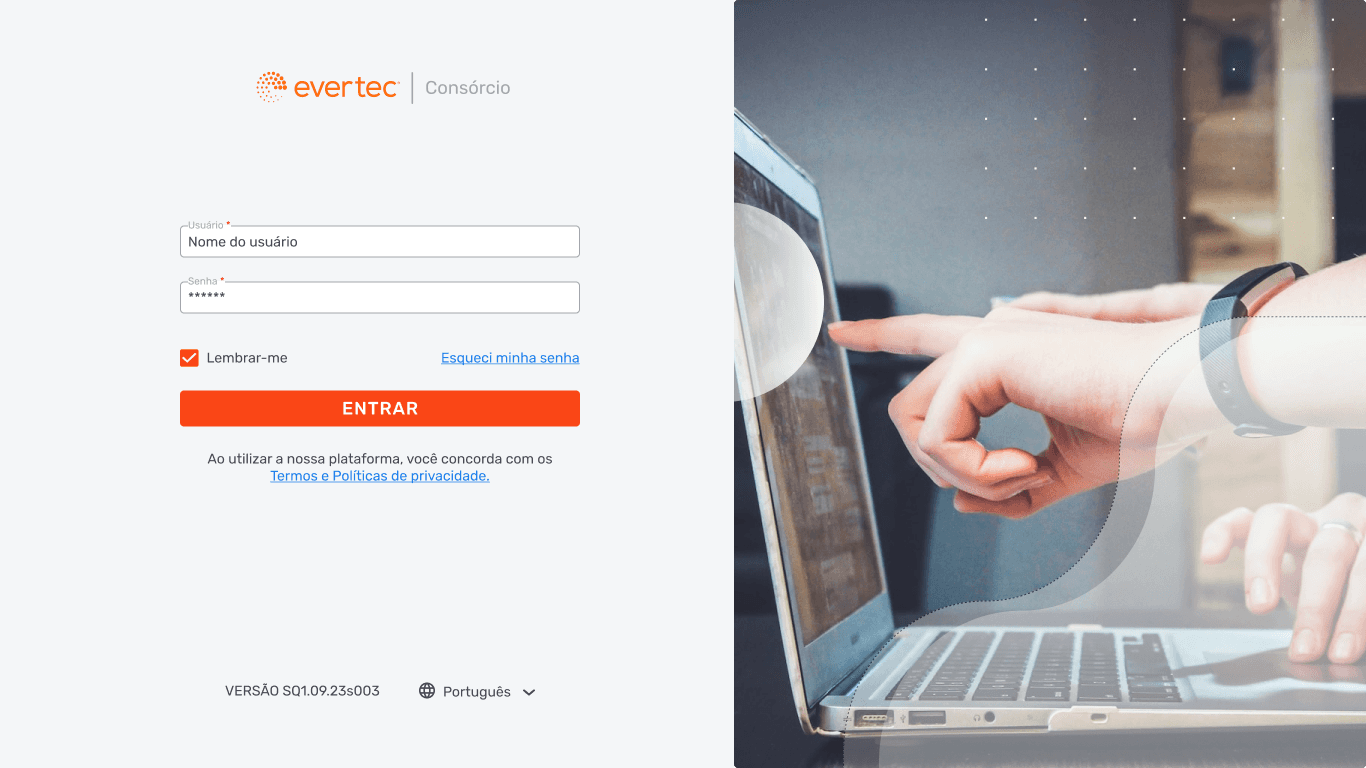
Mercado Secundário - Sinqia/Evertec
End-to-End Product

Definição do Problema
Negociar ativos no mercado secundário costuma ser uma experiência intimidante e de baixa liquidez para usuários não especializados. Os clientes tinham dificuldade em precificar suas ações e compreender as taxas de transferência, além de se sentirem inseguros ao lidar com um processo carente de clareza jurídica e financeira — o que resultava em altas taxas de desistência antes da conclusão das vendas.
Resultado
Uma plataforma segura e transparente que desmistifica a negociação de cessão de contratos. O produto simplifica a conexão entre compradores e vendedores, apresentando uma interface que exibe claramente os cálculos de desconto, as taxas e o valor final da transação em tempo real. O processo de transferência de titularidade foi reformulado para garantir segurança jurídica sem sobrecarregar o usuário.
Objetivos
Desenvolver um ambiente de mercado secundário que ofereça a mesma fluidez do comércio eletrônico, mantendo o rigor e a segurança exigidos para transações financeiras complexas.
Simplificar a precificação e a oferta de ações, proporcionando clareza imediata sobre a diferença entre valor nominal e valor de mercado.
Criar um fluxo de transferência seguro (checkout) que inclua etapas de validação e processos de transição transparentes para ambas as partes.
Reduzir a ansiedade do usuário por meio de um painel de acompanhamento em tempo real para transações em andamento.
KPI
Volume de transações concluídas no mercado secundário · Redução do tempo médio de transferência de titularidade
Definição do problema
O design para o mercado secundário dentro do ecossistema Sinqia/Evertec exigiu um equilíbrio delicado entre simplificar a interface e manter um rigor absoluto em relação à conformidade financeira. Nesse contexto, um design eficaz depende fortemente de uma comunicação clara e precisa.
Atuando em constante sinergia com squads multidisciplinares, concentrei meus esforços em três pilares para garantir a viabilidade do produto:
Estratégia e Regras de Negócio: Colaboração direta e diária com Product Owners e Product Managers para traduzir lógicas complexas — envolvendo transferências de fundos, liquidez e taxas — em uma jornada do usuário visualmente limpa e intuitiva para o usuário final.
Eficiência no Handoff (Perspectiva de DesignOps): Elaborei uma documentação visual e técnica rigorosa para a equipe de desenvolvimento. O objetivo era mapear detalhadamente fluxos de exceção (edge cases) e microinterações, eliminando ambiguidades técnicas e acelerando a implementação.
Qualidade em Cenários Críticos: Trabalho conjunto com a equipe de QA para validar o comportamento da interface durante transações financeiras. Isso garantiu que a experiência permanecesse fluida e segura, mesmo quando o sistema enfrentava cenários de erro ou requisitos complexos de validação legal.